
A proper drainage system is essential when installing artificial grass to prevent waterlogging, maintain stability, and extend the lifespan of your synthetic turf. Working with an experienced artificial grass supplier in Dubai or your local area can help ensure you select the right materials and installation methods. Let’s explore the various drainage layers and materials needed for a successful artificial grass installation.

Base Layer Materials
The foundation of good drainage starts with selecting the right base materials. The most common options include:
Crushed Stone or Aggregate
A 4-6 inch layer of crushed stone or angular aggregate (typically 3/4 inch) forms the primary drainage foundation. This material allows water to flow freely while providing excellent stability. The angular shape of the stones helps them lock together, creating a firm but permeable base that won’t shift over time.
Decomposed Granite
This material consists of weathered granite broken down into fine particles. It compacts well while maintaining good drainage properties. When properly installed, decomposed granite creates a stable, level surface that helps prevent dips and bumps in the artificial turf.
Class II Road Base
This engineered material combines various sizes of crushed rock and fine particles. It offers excellent compaction while maintaining proper drainage channels. The varied particle sizes create an interlocking structure that resists settling and movement.
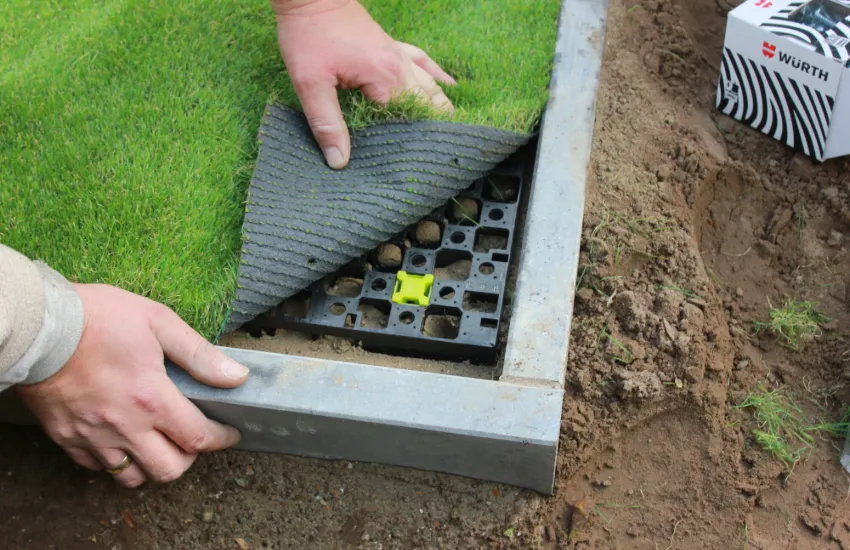
Additional Drainage Components
Beyond the base layer, several other components contribute to effective drainage:
Geotextile Membrane
Installing a permeable geotextile fabric between the soil and base layer prevents soil migration while allowing water to pass through. This membrane also helps prevent weed growth and maintains the integrity of the drainage system over time.
Shock Pad or Foam Underlay
In areas requiring additional cushioning, a shock-absorbing pad can be installed. Choose a product specifically designed for artificial grass with adequate drainage holes or channels to maintain proper water flow.
Perforated Drainage
Pipes For areas prone to heavy rainfall or poor natural drainage, installing a network of perforated pipes within the base layer can help channel water away from the installation. These pipes should be connected to existing drainage systems or appropriate drainage points.
Installation Considerations
Proper installation techniques are crucial for effective drainage.
Slope and Grading
Maintain a slight slope (1-2%) away from buildings and structures to encourage natural water flow. The ground should be carefully graded before installing any drainage materials.
Compaction
Each layer must be properly compacted to prevent future settling while maintaining adequate void spaces for water movement. Use appropriate compaction equipment and techniques for each material type.
Edge Containment
Install proper edging materials to contain the base layers and prevent migration of materials. This helps maintain consistent drainage patterns throughout the installation.
Common Drainage Problems to Avoid
Understanding potential issues helps ensure proper installation:
Over-Compaction
While compaction is important, excessive compaction can reduce drainage capacity. Follow manufacturer guidelines for appropriate compaction levels.
Insufficient Base Depth
Skimping on base materials leads to poor drainage and stability issues. Ensure adequate depth based on local conditions and usage requirements.
Improper Material Selection
Using the wrong type or size of aggregate can compromise drainage effectiveness. Consult with experienced installers or artificial grass suppliers for appropriate material specifications.
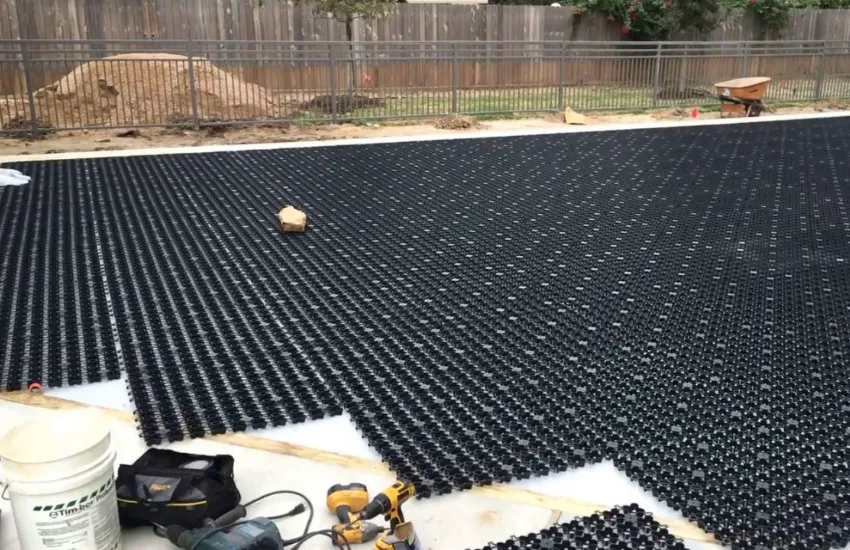
Maintenance Considerations
Regular maintenance helps maintain drainage effectiveness.
Periodic Cleaning
Remove debris and organic matter that could clog drainage channels within the artificial grass system.
Inspection
Regularly check for low spots or areas of poor drainage that may require attention.
Professional Assessment
Schedule periodic professional inspections to ensure the drainage system continues functioning properly.
Climate-Specific Considerations
Different climates require different approaches:
Arid Regions
In dry climates, focus on preventing erosion during occasional heavy rains while maintaining stability during long dry periods.
High-Rainfall Areas
Regions with frequent rainfall may require additional drainage layers or larger aggregate sizes to handle increased water volume.
Freeze-Thaw Cycles
In areas experiencing freezing temperatures, select materials and installation methods that can withstand expansion and contraction without compromising drainage.
By carefully considering these factors and working with qualified professionals, you can create an effective drainage system for your artificial grass installation that will perform well for many years. Remember that proper drainage is an investment in the longevity and performance of your synthetic turf system.